Why Choose a Wooden Sofa for Your Home?

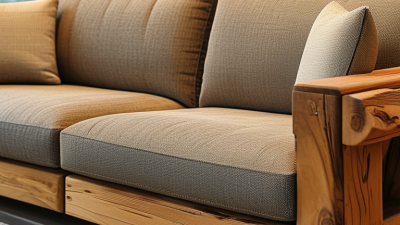
A Wooden Sofa can bring warmth, structure, and lasting character to a living room. Its visible grain creates a natural focal point, especially beside soft fabrics, rugs, and warm lighting. Unlike fully upholstered furniture, a wooden frame often reveals how the piece is built. That visibility can help buyers judge craftsmanship, joint quality, and material thickness before purchasing. A well-made frame should feel stable, sit evenly, and resist uncomfortable movement during everyday use. It should not merely look beautiful.

Practical details matter. Hardwoods such as oak, ash, and teak are commonly valued for strength, although quality depends on drying, construction, and maintenance. A protective finish can reduce staining, but it cannot prevent every scratch or water mark. Wipe spills quickly. Use cushions with durable, washable covers for busy households. Families with children or pets may appreciate the frame’s easier surface cleaning, yet exposed corners require thoughtful placement. A wooden sofa can last for years, but neglect still leaves evidence. That is part of its honesty.

Choosing one also means accepting a different kind of comfort. The cushions must provide proper support, and the seat depth should suit the people using it. A showroom impression may not match a long evening at home. Measure doorways, room clearance, and walking space carefully. Speak with reputable furniture makers, request material details, and check the warranty terms. The decision is not purely decorative. It connects design, daily habits, craftsmanship, and realistic care. A Wooden Sofa may become a reliable centerpiece, provided its beauty is matched by informed selection.

Why Choose a Wooden Sofa for Your Home?

What Is a Wooden Sofa?

A wooden sofa is a seating piece built around a visible or partly concealed wooden frame.

Unlike a fully upholstered sofa, it uses timber for its arms, back, legs, or supporting base. The seat may hold loose cushions, woven panels, or a padded layer. That combination gives the sofa both structure and softness.

Not just a bench.

In practical furniture work, the frame matters most.

Well-seasoned hardwood can resist daily movement, while engineered wood may provide consistent strength at a lower cost. Joinery, wood moisture, and weight distribution affect stability more than appearance alone.

I would check the corner joints, sit on the center, and listen for creaking. A slight wobble is a warning, not a personality trait.

Cushions should recover after pressure, and their covers should be removable for cleaning. These details reveal whether the sofa is designed for living, not only for photographs.

Wooden sofas suit homes that value natural texture, clear lines, and long service.

The grain can warm a plain room, especially beside cotton, linen, or a textured rug. However, wood is not maintenance-free. Direct sunlight may fade finishes, and dry indoor air can encourage small cracks.

Use a soft cloth, avoid excess water, and follow the maker’s care guidance.

A wooden sofa can feel firm at first. That is sometimes comfortable, sometimes not. Testing the seat for several minutes is wiser than trusting a product photograph.

How Wooden Sofas Are Designed and Made

Why Choose a Wooden Sofa for Your Home?

How Wooden Sofas Are Designed and Made

Designing a wooden sofa begins with proportion, comfort, and room size. A maker measures seat height, depth, arm width, and back angle before choosing materials. These details decide whether the sofa feels supportive or awkward. I have found that a small change in seat depth can affect posture noticeably. The grain matters, too. Straight, stable timber suits load-bearing frames, while visible natural variation adds character.

The wood is usually dried carefully to reduce movement after construction. Craftspeople inspect each piece for cracks, knots, and uneven moisture. The frame may use mortise-and-tenon joints, reinforced corners, or concealed screws. These methods improve strength without making the structure look heavy. Before upholstery, the frame should be checked for rocking, sharp edges, and weak connections. It should feel solid.

Cushions are then shaped around the frame. Foam density, fiber layers, and fabric tension influence daily comfort. A good workshop tests the sofa repeatedly, including sitting, leaning, and shifting positions. Yet no design is perfect for every person. A deep seat may relax one user and strain another’s knees. I once preferred a firm cushion, but changed my view after using it for several hours. That practical detail matters more than appearance alone. Finish selection also deserves care; low-odor, properly cured coatings help preserve the wood and support safer indoor use.

Why Choose a Wooden Sofa for Your Home? - How Wooden Sofas Are Designed and Made

Design and Construction Dimension Typical Wooden Sofa Practice Practical Benefit Important Consideration
Frame Material Frames are commonly made from solid hardwood, engineered wood, or a combination of both. A well-designed frame provides structural support and helps the sofa retain its shape. Wood species, moisture content, thickness, and construction quality affect performance.
Wood Preparation Wood is usually dried, cut, graded, and inspected before the frame is assembled. Properly prepared wood is less likely to develop excessive movement after manufacturing. Wood naturally responds to changes in humidity, so indoor climate conditions still matter.
Joinery Method Common methods include dowel joints, corner blocks, screws, staples, mortise-and-tenon joints, or combinations of these techniques. Reinforced joints help distribute everyday loads across the frame. The quality of the joint and adhesive is more important than the joint name alone.
Comfort System The frame is combined with seat springs, webbing, foam, fiber, or other cushioning materials. Layered construction allows the sofa to balance support, softness, and sitting comfort. Cushion firmness and comfort depend on filling type, density, thickness, and upholstery design.
Surface Finish Visible wood may be coated with lacquer, oil, wax, stain, or water-based finishes. A finish can emphasize the grain and provide resistance to everyday marks and moisture. Finish protection varies; spills should be wiped promptly and harsh cleaners should be avoided.
Design Flexibility Wooden frames can support traditional, minimalist, Scandinavian, rustic, and contemporary forms. The visible grain and frame shape add warmth, texture, and visual character to a room. The design should match the room’s dimensions, circulation space, and intended seating capacity.
Repair and Maintenance Wooden frames can often be inspected, tightened, refinished, or repaired more easily than concealed structural systems. Repairable components may extend useful service and reduce the need for complete replacement. Upholstery, springs, and joints may still require professional repair depending on the design.
Durability Factors Service life depends on wood quality, frame engineering, joinery, weight loads, usage frequency, and maintenance. A properly engineered frame can provide dependable support for many years. No material guarantees unlimited durability; regular inspection can identify loose joints or damaged parts early.
Environmental Considerations Wood can be renewable and repairable when sourced responsibly and used in a long-lasting product. Longer use and repair can reduce replacement frequency and material waste. Environmental impact also depends on forestry practices, transportation, finishes, adhesives, upholstery, and end-of-life disposal.
Best Care Routine Dust regularly, clean spills quickly, avoid prolonged direct sunlight, and keep the sofa away from excessive heat or moisture. Consistent care helps preserve the wood finish, upholstery, and frame connections. Always follow the care instructions suitable for the specific finish and upholstery fabric.

Key Benefits of Choosing a Wooden Sofa

Why Choose a Wooden Sofa for Your Home?

Key Benefits of Choosing a Wooden Sofa

A wooden sofa gives a room visual warmth and dependable structure. Its frame can support daily sitting, children climbing, and occasional moving. Solid wood also allows sanding, tightening, and partial repairs instead of full replacement. That matters as resources become more expensive. The UNEP Global Resources Outlook 2024 reports that global natural-resource extraction has tripled since 1970. Choosing furniture that can stay useful longer is a practical response. It is not always the cheapest option. However, long-term value deserves attention.

Wood also offers design flexibility. A visible grain adds texture beside fabric, stone, or metal. Different cushions can refresh the sofa without replacing its frame. The FAO Global Forest Resources Assessment 2020 states that forests covered about 31% of global land in 2020. It also recorded 420 million hectares of forest loss between 1990 and 2020. Responsible sourcing is therefore essential, not decorative language. Look for documented legal sourcing, credible forest certification, and finishes with low emissions. The U.S. Environmental Protection Agency notes that indoor pollutant levels can be two to five times higher than outdoors.

Tips: Check every joint before buying. Sit on the edge and listen for movement. Ask about the wood species, finish, and repair process. Use a soft cloth, avoid standing water, and inspect loose hardware twice yearly. I would not call wooden sofas maintenance-free. Neglected wood can dry, stain, or crack. That honest limitation should shape your choice.

Wood Types, Upholstery, and Style Options

A wooden sofa brings warmth, structure, and a quieter character to a living room. The wood type affects strength, weight, and visual texture. Oak offers a firm frame and visible grain, while beech feels smooth and evenly toned. Walnut adds deeper color, but it usually costs more. Pine is lighter and more affordable, though it may mark more easily. In my experience, kiln-dried hardwood frames resist movement better than poorly seasoned wood. Still, no frame is completely immune to humidity.

Upholstery changes comfort as much as appearance. Linen feels cool and relaxed, but it can wrinkle and show stains. Cotton blends offer softness and practical daily use. Wool provides natural resilience and a richer texture. Leather is easy to wipe, yet it may feel cold at first. Check the cushion filling, too. High-resilience foam keeps its shape, while feather blends feel softer but need regular plumping. I once chose a pale fabric for a busy room. It looked beautiful, but the maintenance became frustrating. That choice needed more thought.

Tips: Match the wood tone with your floor before buying. Test fabric under daylight and warm lamps. Sit for ten minutes. Check the frame joints, cushion support, and fabric cleaning instructions. A timeless shape often works better than a fashionable one, although personal comfort should lead the decision.

How to Select and Maintain the Right Wooden Sofa

A wooden sofa can bring warmth, structure, and a quieter visual rhythm to a room. The frame matters more than decorative carving. Look for kiln-dried hardwood, tight joints, and even weight distribution. Sit on every seat for several minutes. Test the arms, back, and corners. A sofa that creaks in a showroom may worsen at home.

The U.S. Environmental Protection Agency reports that indoor pollutant levels can be two to five times higher than outdoor levels. Choose finishes with low chemical emissions, and ask for material and coating information. The Forest Stewardship Council’s chain-of-custody system can also help verify responsibly sourced wood. These labels are useful, but they are not perfect. Check the certificate details, not only the symbol.

Measure doorways, stair turns, and the walking space around the sofa. A practical seat depth usually works better than an oversized design. Keep indoor humidity near 30–50%, as recommended by many building-health guidelines. Wipe dust with a soft, slightly damp cloth. Remove spills quickly. Avoid soaking unfinished wood. Place the sofa away from radiators and strong sunlight. Tighten visible fasteners every few months. Wax can create a pleasing shine, but it may trap dust or complicate later refinishing. Test any cleaner underneath first. Maintenance is simple, although daily life rarely is. A carefully selected sofa can still show marks, dents, and color changes; those changes should be considered before purchase.

Why Choose a Wooden Sofa? Selecting the Right Wood

Wood species differ in hardness, which affects resistance to dents and everyday wear. Use this comparison when selecting a wooden sofa frame, then protect the surface with regular dusting, coasters, and a suitable wood finish.

Janka hardness values are typical pounds-force ratings for commonly used wood species, based on published wood-property data.