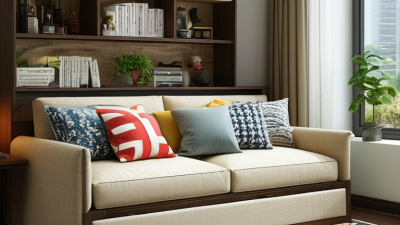
What Is a Designer Sofa Set and How to Choose One?

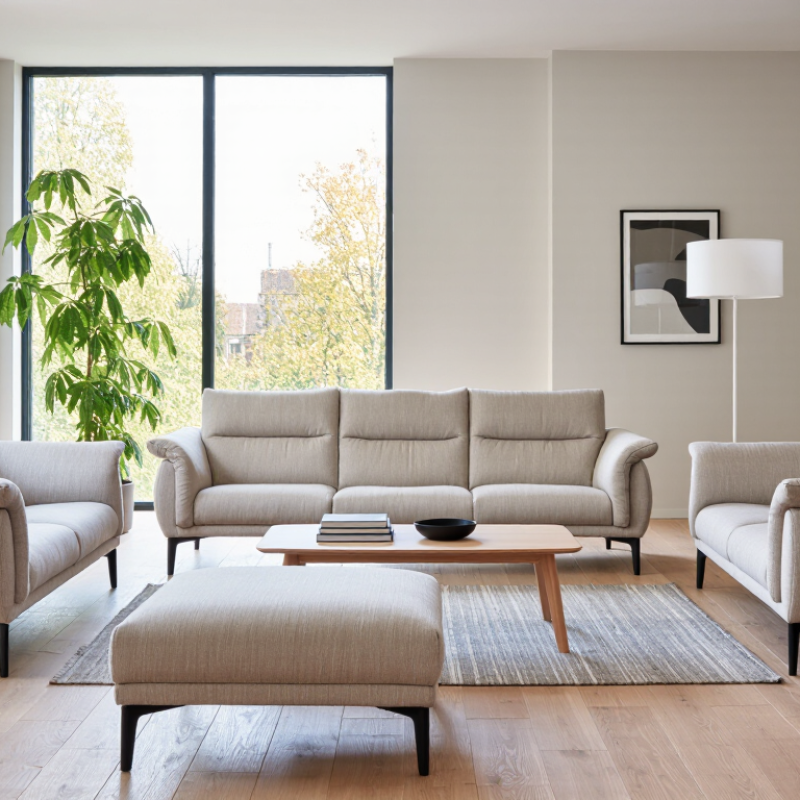
A Designer Sofa Set is more than a coordinated group of seats. It is a central design decision that shapes comfort, movement, and atmosphere in a living room. The right set may include a sofa, loveseat, lounge chair, or matching ottoman. Each piece should feel connected without making the room look overly arranged.

Patricia Urquiola, an internationally recognized furniture designer, has said, “I am interested in the relationship between people and objects.” Her observation is useful when choosing a Designer Sofa Set. A beautiful silhouette means little if the seat feels too firm, the armrests are awkward, or the fabric cannot handle daily use. Sit for several minutes. Check the depth, back support, cushion recovery, and frame stability. Small details matter.

Scale deserves careful attention. Measure doorways, elevators, and the intended wall before ordering. A large sectional can look elegant in a showroom but overwhelming in a compact apartment. Leave practical walking space around the sofa. Natural light can also change how beige, gray, or deep green upholstery appears throughout the day.

Materials reveal quality, although appearance can mislead. Solid wood framing, durable suspension, high-resilience foam, and tightly woven fabric often support longer use. Still, no sofa is perfect. Personal comfort differs, and even premium upholstery may show marks over time. Consider maintenance honestly. Choose performance over impulse, but do not ignore emotional appeal. You will live with this furniture every day.

What Is a Designer Sofa Set and How to Choose One?

Definition and Core Features of a Designer Sofa Set

A designer sofa set is more than a coordinated couch and chairs. It combines deliberate form, material selection, comfort, and visual balance. In practice, the term usually describes a seating group shaped by a clear design concept, not simply expensive furniture. The set may include a sofa, loveseat, armchair, ottoman, or matching side pieces. Each item should relate through proportion, upholstery, leg style, or color. They do not need to look identical. Good coordination feels quieter. Poor coordination looks forced.

Core quality begins with structure. A kiln-dried hardwood or engineered frame, reinforced joints, and stable support reduce movement over time. Seat cushions should recover after use, while back cushions should support the natural curve of the spine. Dense foam can feel firm; feather blends feel softer but need regular plumping. Neither option is automatically better. That is important.

I inspect frame corners, stitching, cushion seams, and the underside before judging appearance. A small gap can reveal weak construction. Check whether the legs sit evenly on a hard floor. Sit for at least ten minutes, because showroom comfort can be misleading. Measure doorways, lift access, and walking space around the planned position. Material details matter too. Ask for cleaning instructions, composition, warranty terms, and replacement-part availability. Even an experienced buyer can overvalue a dramatic silhouette and overlook low seat height or difficult maintenance. Leave room for that mistake.

Main Types and Styles of Designer Sofa Sets

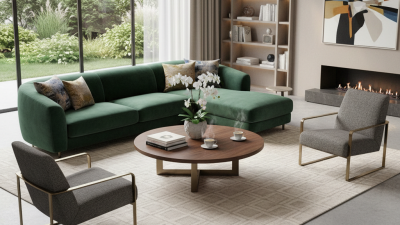
Designer sofa sets come in several practical forms. A modular set uses separate pieces that can be rearranged as your room changes. It works well in open-plan homes. A sectional creates a larger seating zone, often with a chaise for stretching out. Curved sofas soften rooms with sharp walls and rectangular tables. Compact loveseats suit apartments or reading corners. Some sets include matching armchairs, ottomans, or corner units.

Style changes the room’s character. Tuxedo sofas have clean arms and a formal silhouette. Mid-century designs often use raised legs, firm cushions, and simple lines. Contemporary sets may feature deep seats, low profiles, and wide, relaxed shapes. Traditional styles usually add rolled arms, turned legs, or patterned upholstery. Shape matters more than decoration. A beautiful sofa can still feel wrong.

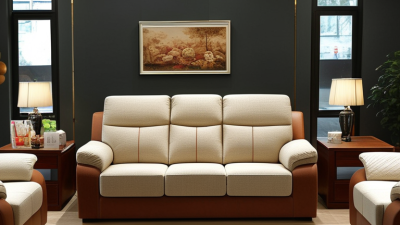
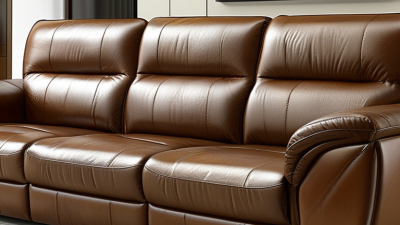
Choose one by measuring the room, doorway, lift, and walking paths. Leave space for doors and nearby tables. Sit for at least ten minutes. Your lower back should feel supported, without pressure behind your knees. Check the frame, cushion filling, stitching, and suspension beneath the upholstery. For busy homes, tightly woven fabric may resist daily wear better than delicate textures. Leather can be easy to wipe, but it may show scratches and temperature changes.

I once chose a pale sofa from a small fabric sample. It looked warmer in the showroom. At home, it appeared almost grey. That mistake taught me to test samples near windows and lamps. Comfort, scale, and maintenance deserve equal attention. Style alone is not enough.

Materials, Construction, and Comfort Considerations

What Is a Designer Sofa Set and How to Choose One?

A designer sofa set combines a considered shape, durable materials, and coordinated seating pieces. It may include a sofa, loveseat, chaise, or matching ottoman. The design should serve daily life, not only look impressive in photographs. Look closely. A kiln-dried hardwood frame usually offers better stability than weak composite panels. Reinforced corner blocks and evenly spaced supports can reduce movement over time. However, construction quality varies, even within the same price range.

Upholstery affects appearance, cleaning, and long-term comfort. Tightly woven performance fabric can handle frequent use, while leather develops character but needs conditioning. Ask about abrasion testing, yet do not treat one number as a guarantee. Cushion filling matters too. High-resilience foam keeps its shape better, while feather blends feel softer but need regular plumping. Inspect seams, piping, and cushion alignment. Small details matter. A loose thread today may become a larger repair later.

Comfort is personal. Test the sofa for at least ten minutes, using your normal sitting position. Your feet should rest naturally, and the seat should support your lower back without forcing your shoulders forward. Deeper seats suit relaxed lounging, but they may feel awkward for shorter users. I once chose a beautifully shaped sofa that was too low for everyday sitting. That mistake changed how I measure furniture. Check the seat height, depth, arm width, and doorway clearance before ordering. A showroom feeling can be misleading.

What Is a Designer Sofa Set and How to Choose One? — Materials, Construction, and Comfort Considerations
Evaluation Dimension Typical Data or Options What It Means in Practice Recommended Choice
Definition A coordinated seating group, commonly including a sofa and matching or complementary lounge chairs, a loveseat, or an ottoman. A designer sofa set combines a deliberate visual concept with functional seating. The design may be original in shape, proportion, material selection, or construction detail. Choose a complete set when you want visual consistency. Select mixed pieces when flexibility and room zoning are more important.
Room Size and Configuration Compact rooms often suit a 2- or 3-seat sofa. Larger rooms may accommodate a sectional, sofa plus chairs, or multiple coordinated pieces. The set should leave clear circulation paths and avoid making the room feel crowded. Doorways, elevators, stairways, and delivery routes also need to be measured. Measure the room and access route first. Keep the sofa proportionate to the wall and allow practical space around tables and walkways.
Frame Material Common options include kiln-dried hardwood, engineered wood panels, plywood, metal, or a combination of these materials. A stable, well-joined frame helps the sofa resist movement and long-term deformation. Kiln-dried wood can reduce moisture-related movement, while engineered panels can provide consistent dimensions. Look for reinforced joints, secure corner blocks, and a frame that feels rigid rather than flexible when gently tested.
Frame Construction Typical techniques include dowel-and-glue joints, screws with corner blocks, mortise-and-tenon joints, and reinforced internal rails. The joint design is often more important than the frame material alone. Properly reinforced connections reduce squeaking and structural movement. Ask how the corners, arms, seat rails, and back structure are joined. Avoid pieces with visible gaps, excessive wobble, or uneven alignment.
Seat Support Common systems include sinuous springs, pocketed coil units, webbing, or a combination of springs and webbing. Sinuous springs provide flexible support and are widely used. Pocketed coils can offer more individual response. Webbing can create a softer feel but depends heavily on its quality and tension. For everyday use, choose evenly spaced, well-secured support with no noticeable sag when sitting. Confirm whether the support can be serviced or replaced.
Seat Cushion Fill Options include high-resilience foam, foam wrapped in fiber, down or feather blends, polyester fiber, and layered combinations. Higher-resilience foam generally offers better shape retention. Fiber and feather blends feel softer but usually require more frequent fluffing. Layered cushions balance support and softness. Choose medium-firm, resilient foam for frequent sitting. Select a softer loose-fill cushion only if regular maintenance is acceptable.
Back Cushion Construction Backs may use fixed foam, loose fiber, feather-blend cushions, or an upholstered tight-back design. Loose cushions can be adjusted and removed for cleaning, while tight backs maintain a neat profile. Soft loose-fill backs may compress and require reshaping. Choose removable back cushions for adjustable comfort. Choose a tight back when a cleaner appearance and lower maintenance are priorities.
Upholstery: Natural Fibers Cotton, linen, wool, and blends are commonly used. Natural fibers vary in weave density, finish, and resistance to abrasion. Natural fabrics can feel breathable and tactile. Linen may wrinkle, cotton may absorb stains, and wool is naturally resilient but can require specialized care. Use tightly woven, treated natural fabric in living rooms. Request cleaning instructions and confirm whether the covers are removable.
Upholstery: Synthetic Fibers Polyester, nylon, acrylic, microfiber, and blended fabrics are common performance options. Synthetic fabrics often provide consistent color, easier maintenance, and good resistance to everyday wear. Performance depends on weave, coating, and fiber quality. Choose a tightly woven performance fabric for households with children, pets, or frequent use. Check stain-care limitations before purchasing.
Leather Upholstery Full-grain, top-grain, corrected-grain, and split leather differ in surface treatment, appearance, and durability. Higher-quality leather can develop a natural patina and is relatively easy to wipe clean. It may show scratches, color variation, and pressure marks over time. Select leather when durability, wipe-clean maintenance, and aging character are valued. Keep it away from intense heat and direct sunlight.
Abrasion Resistance Fabric performance is often reported using a double-rub or equivalent abrasion test. Higher results generally indicate greater tested wear resistance. Test results are useful for comparison but do not predict every household condition. Seam quality, sunlight, pets, and cleaning practices also affect service life. For heavy residential use, prefer a tightly woven fabric with a documented high-wear rating and reinforced seams.
Seat Height Many sofas have a seat height of approximately 17–20 inches, measured from the floor to the top of the seat cushion. A higher seat can make standing easier, while a lower seat may create a relaxed, lounge-oriented posture. Cushion compression changes the effective height. Choose a height that allows your feet to rest flat on the floor and your knees to remain comfortable when seated.
Seat Depth Common seat depths are approximately 20–25 inches, excluding the back cushion thickness. Shallower seats support a more upright posture. Deeper seats provide a relaxed lounging position but may be uncomfortable for shorter users. Select a shallower depth for formal sitting or shorter users. Choose a deeper seat for reclining and casual lounging, provided lumbar support remains adequate.
Arm Height and Shape Arms may be low and broad, narrow and upright, rounded, track-style, or fully upholstered. Arm shape affects usable seating width, posture, visual weight, and the ability to rest an arm comfortably. Broad arms reduce the available sitting area. Compare the internal seat width rather than the overall sofa width. Test whether the arm supports your preferred sitting position.
Comfort Profile Firm, medium, and soft comfort levels are created by the interaction of cushion density, suspension, back angle, seat depth, and upholstery. A soft surface is not always supportive, and a firm seat is not necessarily uncomfortable. Comfort should be judged by posture, pressure distribution, and ease of standing. Sit for at least 10–15 minutes if possible. Check lower-back support, thigh support, cushion recovery, and whether you slide forward.
Modularity and Flexibility Modular sets may include interchangeable corner, armless, chaise, ottoman, or terminal units. Modularity supports room changes and future expansion but may introduce more seams, connectors, and movement between units. Choose modular construction for changing layouts. Verify connector strength, component dimensions, and whether replacement units remain available.
Maintenance Maintenance may include vacuuming, rotating cushions, tightening legs, spot cleaning, professional cleaning, and conditioning leather. Removable covers simplify care, but not every cover is machine washable. Incorrect detergents, excessive moisture, and heat can damage upholstery. Match the maintenance routine to your lifestyle. Request the fabric code, cleaning method, and replacement-cover availability before purchase.
Color and Visual Longevity Neutral tones, muted colors, and textured fabrics are generally easier to coordinate with changing décor than highly distinctive patterns. Color, texture, piping, legs, and silhouette strongly influence how long the design remains visually suitable. Dark colors can show lint, while very light colors show stains. Use samples in the actual room under daylight and artificial light. Consider flooring, wall color, curtains, and the visual scale of the set.
Sustainability Considerations Relevant factors include durable construction, repairable components, certified or recycled materials, low-emission finishes, and recyclable packaging. A long service life can reduce replacement frequency. Sustainability claims should be supported by clear material information and recognized certifications where applicable. Prioritize durable, repairable designs and transparent material documentation over short-lived decorative features.
Warranty and Service Coverage may differ for the frame, suspension, cushions, upholstery, mechanisms, and manufacturing defects. A warranty is only useful when its terms, exclusions, claim process, and geographic coverage are clear. Upholstery wear and accidental damage are often excluded. Review each component’s warranty separately and retain the purchase documents, care instructions, and product specifications.
Final Selection Checklist Confirm dimensions, access route, frame stability, support system, cushion feel, upholstery care, comfort, delivery requirements, and warranty terms. The best designer sofa set balances appearance, ergonomics, construction quality, maintenance needs, and long-term value rather than relying on style alone. Choose the set that fits the room, supports your body, matches your maintenance capacity, and has construction details you can verify.
Dimensions and performance characteristics are typical residential ranges. Actual specifications vary according to cushion design, frame construction, upholstery, and manufacturer testing methods.

How to Choose the Right Designer Sofa Set

What Is a Designer Sofa Set and How to Choose One?

A designer sofa set combines coordinated seating with deliberate proportions, materials, and visual character. It should support daily living, not merely look impressive in photographs. Before choosing, measure the room, doorway, lift, and stair turns. Leave clear walking space around tables and entrances. A sofa that barely enters the room is already a poor purchase.

Sit on each seat for several minutes. Check whether your feet touch the floor and your lower back feels supported. Medium-firm cushions usually balance comfort and posture well. Soft cushions feel inviting, but they may require frequent reshaping. Frame construction also matters. Kiln-dried timber, reinforced joints, and stable suspension generally offer better long-term reliability. Ask about the cushion filling and whether covers can be removed for cleaning.

Match the upholstery with your actual routine. Tightly woven fabric suits busy homes, while textured materials may collect crumbs and pet hair. Test a fabric sample near your window. Colors can change under strong daylight. Also inspect stitching, seams, and gaps beneath the frame. Small flaws may reveal weak quality. Still, perfection is not the goal. A set can have minor handmade variation and remain durable. I once focused too heavily on appearance and overlooked seat depth. The sofa looked elegant, yet guests kept shifting forward. Comfort deserves equal attention. Choose a layout that fits your habits, cleaning schedule, and willingness to maintain it.

How to Choose the Right Designer Sofa Set

The chart shows common residential sofa planning dimensions in centimeters. Use the width range to confirm that the sofa fits the room, doorways, elevator, and walkways. A seat depth of about 50–65 cm and a seat height of about 40–48 cm generally provide a practical balance of comfort and posture support. Always check the exact dimensions of the selected sofa set before purchasing.

Sizing, Placement, Budget, and Maintenance Guidelines

What Is a Designer Sofa Set and How to Choose One?

A designer sofa set is a coordinated seating group shaped by thoughtful proportions, materials, and visual balance. Its value should extend beyond appearance. Measure your room before browsing, including doorways, elevators, and sharp hallway turns. Leave about 75 to 90 centimeters for comfortable walking paths. Keep the sofa away from blocking windows, radiators, or cabinet doors. Use painter’s tape to mark the sofa’s footprint on the floor. Live with that outline for one day. It may feel larger than expected.

Room scale matters.

A deep sofa can overwhelm a narrow living area, while a shallow design may feel formal and less relaxed. Consider seat height, arm width, cushion firmness, and the number of regular users. I once chose a beautiful low sofa that looked perfect but made standing uncomfortable. That mistake changed how I judge furniture. Sit for at least ten minutes before deciding.

Set a complete budget, including delivery, assembly, rugs, tables, and possible fabric protection. A lower purchase price can become expensive when cushions flatten quickly. Check the frame warranty and ask about cushion refilling. Choose upholstery that matches real household use, not an imaginary lifestyle. Removable covers simplify cleaning, while tightly woven fabrics often handle daily contact better.

Vacuum seams gently each week and treat spills immediately with a clean, damp cloth. Avoid harsh chemicals unless the care label permits them. Maintenance needs discipline. Even excellent furniture shows wear. That is normal, and sometimes attractive.

Maintenance needs discipline. Even excellent furniture shows wear. That is normal, and sometimes attractive.