How to Choose a Sleeper Sofa in 2026?

Choosing a Sleeper Sofa in 2026 means finding one that works as a comfortable everyday seat and a dependable place to sleep. The right choice depends on your room, sleeping habits, and how often guests stay over. Measure the space with the sofa open, not just closed. Check doorway widths, too. A frame that fits the living room may still be difficult to move inside.

Furniture specialist Jordan Hale puts the decision simply: “A sleeper sofa should feel like a real sofa by day and a real bed by night.” Treat that as a useful test, not a substitute for trying the mattress yourself. Sit on the cushions. Open the mechanism. Lie down and notice whether the support feels even. Small details matter: a bar beneath the mattress, a heavy pull handle, or sheets that bunch at the corners can change daily comfort.

This guide explores mattress types, frame mechanisms, upholstery, dimensions, and care. It also considers budget and room layout, because the best-looking model may not suit a narrow apartment or frequent overnight use. A little skepticism helps. Product descriptions can sound reassuring, but comfort is personal. If possible, test the sofa in person and confirm delivery measurements before ordering. The right Sleeper Sofa should fit your home as it is—not an imagined, perfectly spacious version of it.
How to Choose a Sleeper Sofa in 2026?

Assess Your Space, Sleeping Needs, and Everyday Use

A sleeper sofa should fit the room as a sofa and work as a bed without blocking daily movement. Measure the full sofa, including its depth when opened. Mark the footprint with painter’s tape, then check doorways, hallways, and nearby furniture. Leave a clear path to the kitchen or bathroom. A tape measure can still miss how cramped a room feels, so walk around the taped outline before deciding.

Think about who will sleep on it and how often. A guest staying one night may manage with a simpler mattress, while regular use calls for better support and an easy-to-operate mechanism. If possible, test the sofa in person: sit, lie down, and open it yourself. Notice pressure points and whether the frame shifts. It may feel fine in a showroom, though; comfort can change after a full night’s sleep. Also consider everyday use. Pets, children, and frequent lounging can make washable covers and sturdy upholstery more important than a sleek look.

Tips: Measure the opened bed, not just the sofa. Check the mattress length against the sleeper’s height. Ask how cushions and bedding can be stored. Keep a small gap from walls so the frame can unfold freely.
Compare Sleeper Sofa Types and Opening Mechanisms

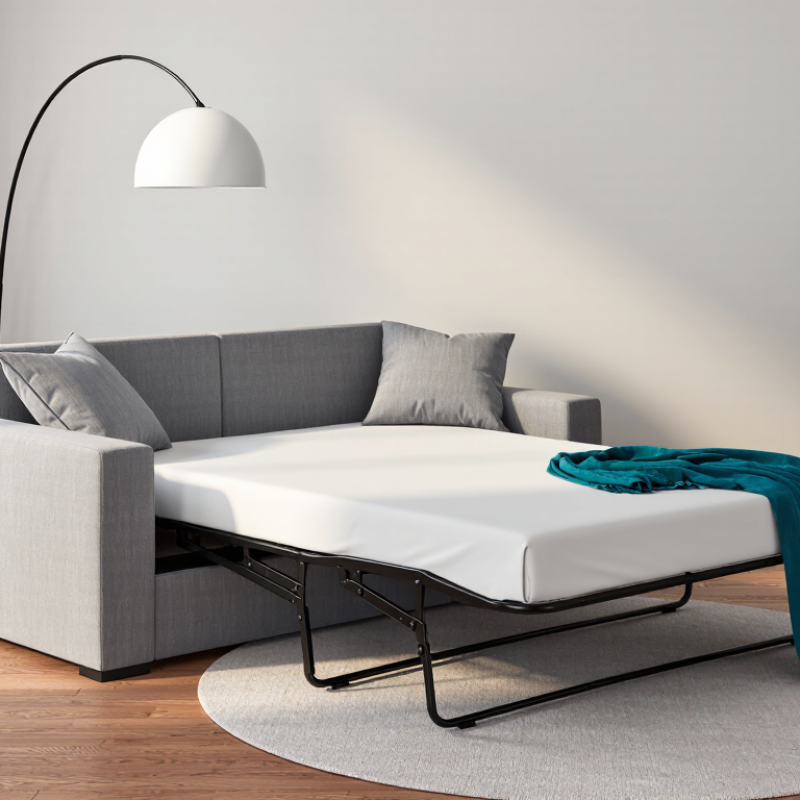
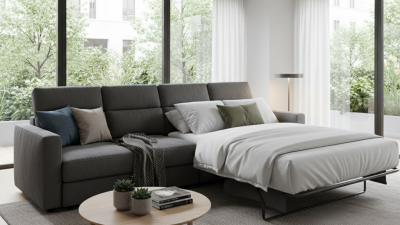
A sleeper sofa’s opening mechanism affects comfort, room layout, and daily effort. A pull-out model hides a separate mattress beneath the seat; lifting the cushions and unfolding the frame takes floor space. It can feel more like a conventional bed, but check the mattress thickness and measure the open footprint. Click-clack designs convert by reclining the backrest, often with fewer parts to handle. They suit occasional guests, though the sleeping surface may feel firmer or show a seam. A fold-down model opens quickly, but its mattress is usually tied closely to the sofa’s seat structure. Try the motion yourself. Smooth hinges matter.

Grand View Research valued the global home-furniture market at $234.4 billion in 2023 and projected 5.4% annual growth through 2030 in its market report. That figure covers furniture broadly, not sleeper sofas alone; it signals market context, not proof that one mechanism performs better. Compare the mechanism in person, then ask about tested load capacity, mattress replacement, and service access. Also check whether the bed clears rugs and nearby tables. A showroom demonstration can mislead when the floor is open and the sofa is empty. Picture the real room, including the awkward turn around a coffee table.

Choose a Mattress, Frame, and Upholstery That Fit Your Needs

How to Choose a Sleeper Sofa in 2026?
Choose a Mattress, Frame, and Upholstery That Fit Your Needs

Start with the mattress you will actually sleep on. Check its length, width, and thickness against the sofa’s opened dimensions and your room’s clear floor space. If guests will use it often, lie down on the bed before buying; a quick showroom sit cannot reveal pressure points. Note whether the support feels even near the center and edges. Small detail, big difference.

Inspect the frame and opening mechanism in person. Open and close it several times, listening for scraping and checking that the legs lock firmly. Look for stable joints, a center support, and a frame that does not rock on your floor. A smooth mechanism matters, but it is not proof of long-term durability. Ask how replacement parts and repairs are handled.

Choose upholstery for real daily conditions: pets, spills, sunlight, and frequent sitting. The Association for Contract Textiles’ Upholstery Fabric Performance Guidelines cite 15,000 Wyzenbeek double rubs for general-use woven fabric and 30,000 for heavy-duty use. Treat these as abrasion benchmarks, not stain-proofing guarantees; cleaning instructions and fabric construction matter too. If you prefer a lighter color, removable washable covers may help, though washing can change fit or texture. Not foolproof. My own buying bias would be to overvalue a soft showroom fabric; durability and care requirements deserve equal attention.

How to Choose a Sleeper Sofa in 2026: Mattress Size Matters

Standard U.S. mattress dimensions offer a useful reference when comparing sleeper sofas: a Twin is about 38 × 75 inches, a Full 54 × 75, a Queen 60 × 80, and a King 76 × 80. Sofa-bed mattresses can differ from these standard sizes, so check the actual unfolded sleep surface before choosing a frame and upholstery.

Measure the Room and Test Comfort Before Buying

A sleeper sofa needs more than a clear spot against the wall. Measure the room, doorway, hall, and stair turns before comparing sizes. Note both the sofa’s closed dimensions and the full length when opened. Leave space for people to walk around the bed, not just enough room to unfold it. Use painter’s tape to mark the footprint on the floor. It makes tight corners obvious.

Then test comfort in both forms. Sit for several minutes, with your feet resting flat and your back supported. Lie down as you would at home, and notice whether the mattress feels even near its seams or frame. Stay there awhile. Try opening and closing the mechanism yourself; a stiff pull can become annoying with nightly use. Check the sleeping surface’s width and length against the people who will use it. A quick showroom sit is not a real sleep test, though.

Consider who will use the sofa most often. A guest bed used twice a year may tolerate a different feel than one used every night. Ask how the mattress is supported and whether its comfort can be maintained over time. Measurements can still miss a detail, especially in an awkward room. Recheck them before ordering, and keep the tape measure nearby.

Compare Prices, Warranties, and Care Requirements

How to Choose a Sleeper Sofa in 2026?

Compare the full price, not just the sale tag. Delivery, assembly, and a mattress topper can add noticeable costs. Ask for an itemized quote, then measure the sleeping area and check what sheets will fit. A sofa may look spacious in a showroom but feel narrow when opened beside a wall. Measure your room, too.

Read the warranty before you buy. Check how long the frame, mechanism, cushions, and mattress are covered; they may have different terms. Look for exclusions, claim fees, and whether in-home repairs are available. Care requirements affect long-term value. Removable covers are convenient, but not always machine-washable. Check the cleaning label, and ask how to treat spills on the upholstery. It is easy to focus on price and overlook daily upkeep.

Tips: Open and close the mechanism in person if possible. Notice whether it catches, squeaks, or needs awkward force. For fabric, ask for cleaning instructions in writing and test any cleaner on a hidden spot first. Compare the warranty and care instructions side by side. A little tedious, yes, but useful.

How to Choose a Sleeper Sofa in 2026? - Compare Prices, Warranties, and Care Requirements

Sleeper Sofa Type Typical U.S. Price Range (USD) Sleep Surface and Comfort Warranty Points to Check Care Requirements Best Fit
Pull-out sofa bed $800–$3,500 A folding frame supports a separate mattress, often in full or queen size. Comfort depends on mattress thickness, support, and the sofa frame. Coverage varies by seller. Check the written terms separately for the frame, folding mechanism, mattress, and upholstery; ask whether labor and transport are included. Vacuum upholstery regularly. Open and close the mechanism as directed, keep the mattress dry, and check that bedding is clear of moving parts before closing. Regular overnight guests and households that want a more bed-like sleep surface.
Click-clack / futon sofa $250–$1,500 The backrest folds down to create a flat surface. The sofa cushion usually doubles as the mattress, so firmness and support can differ from a conventional bed. Confirm the warranty period and exclusions for the hinge, frame, and cushion. Ask whether normal wear, fabric damage, or frequent conversion is excluded. Follow the fabric cleaning instructions, rotate or reposition cushions when permitted, and keep the hinge area free of debris. Small rooms, occasional guests, and buyers seeking a simpler, lower-cost option.
Pull-out air-mattress sofa $700–$2,500 A built-in pump inflates an air mattress stored inside the sofa. Firmness can often be adjusted, but the mattress requires inflation and may need patching if punctured. Check whether the air mattress, pump, hoses, and electrical components have separate coverage. Review rules for punctures, leaks, and replacement parts. Inflate and deflate according to the manual, keep sharp objects away, and store the mattress fully dry. Clean the upholstery using its care label. People who value adjustable firmness and want to avoid storing a separate mattress.
Convertible chaise / modular sleeper $600–$3,000 Seat or chaise sections rearrange or extend to make a sleeping surface. Many designs use the existing cushions rather than a separate mattress. Check coverage for connectors, moving parts, cushion filling, and upholstery. For modular designs, confirm whether each section is covered and how replacement parts are obtained. Vacuum between modules, keep connectors aligned, and rotate cushions if the manufacturer allows it. Use only cleaning methods approved for the upholstery. Flexible living spaces and households that want a lounge area with occasional sleeping space.
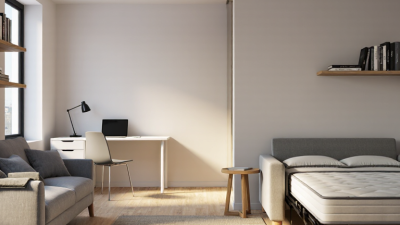
Compact / apartment-size sleeper $500–$2,000 Usually has a narrower frame and a smaller sleep surface than a standard sofa bed. Confirm the actual open-bed dimensions before buying. Compare the written warranty with the full-size models; compact size does not necessarily mean the same coverage. Verify delivery, assembly, and repair terms. Measure access routes before delivery. Follow the upholstery label, and operate the bed mechanism periodically according to the instructions. Studios, smaller apartments, and rooms where floor space is limited.

Buying note: Price ranges are broad U.S. estimates for 2026 and can vary with size, materials, mattress, construction, and retailer. Warranty terms are product- and seller-specific; review the written warranty before purchase. Always check the product’s care label and manual, and measure both the room and the fully opened sleeping area.