10 Best Sofa Beds for Small Spaces

Choosing a Sofa Bed for a small room is less about squeezing in furniture and more about protecting everyday comfort.

A compact studio may offer only 350 square feet. One corner must serve as a lounge, guest room, and sometimes a home office. The right design should open smoothly without blocking a doorway. It should also leave enough space for walking, cleaning, and placing a small side table.

Furniture designer and sofa specialist John Lewis once said, “Good furniture should work hard without looking like it does.” That idea matters here. A stylish sofa is not automatically a practical bed. Its mattress thickness, frame strength, seat depth, and folding mechanism deserve careful attention. A narrow model may save twelve inches of floor space. However, it might create an uncomfortable sleeping surface.

This guide examines ten of the best Sofa Bed options for small spaces. Each choice is considered through realistic details, including room dimensions, opening clearance, fabric durability, and storage potential. Some models feel surprisingly generous. Others look clever but disappoint after repeated use.

There is no perfect answer. A beautiful sofa can still be awkward to unfold. A highly practical model may seem visually plain. That trade-off deserves honest attention, especially when the furniture will be used every night. Before buying, measure the room twice, mark the open bed footprint with tape, and imagine carrying laundry around it. Small mistakes become very noticeable in compact homes.
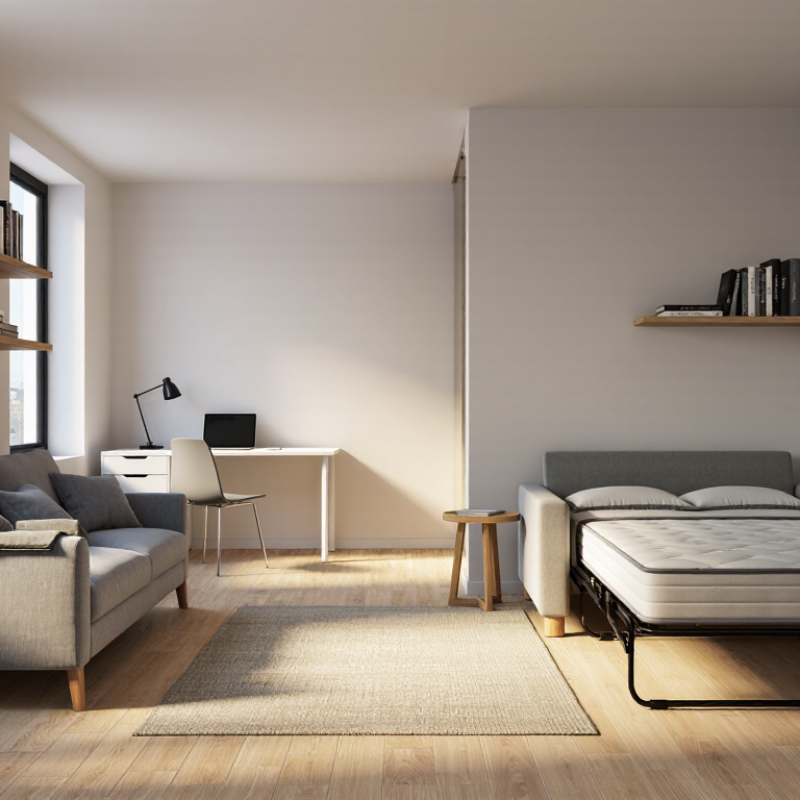
10 Best Sofa Beds for Small Spaces

What Makes a Sofa Bed Suitable for Small Spaces

10 Best Sofa Beds for Small Spaces

What Makes a Sofa Bed Suitable for Small Spaces

A suitable sofa bed begins with accurate measurements, not attractive photographs. Measure the wall, doorway, walkway, and the fully opened sleeping area. Leave at least 60 centimeters for comfortable movement around the bed. A compact frame can still feel oversized in a narrow room. I once underestimated a doorway by two centimeters. It caused an unnecessary delivery problem.

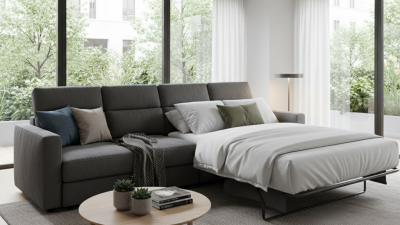
Look for a sofa bed with a shallow seat, slim arms, and a simple opening mechanism. The sofa should support relaxed sitting without blocking nearby furniture. A pull-out design needs clear floor space, while a folding back may work better beside a wall. Test the conversion in a showroom, if possible. It should open smoothly without excessive lifting or twisting. Small details matter.

Sleeping comfort depends on more than the mattress thickness. Check the support underneath, the surface height, and the gap between sections. A thin mattress may feel acceptable for guests but uncomfortable for frequent use. Foam density, breathable fabric, and washable covers can improve everyday practicality. However, manufacturers do not always describe firmness consistently. Reading independent measurements helps, but personal testing remains more reliable. I would also check whether bedding fits inside the storage compartment, because bulky blankets can quickly consume valuable closet space.

10 Best Sofa Beds for Small Spaces - What Makes a Sofa Bed Suitable for Small Spaces

Rank Small-Space Sofa Bed Type Best For Closed Dimensions
(W × D × H)
Sleeping Surface
(W × L)
Approx. Weight Conversion Style Storage Why It Suits Small Spaces
1 Compact Queen Sleeper Best Overall 81 × 36 × 34 in
(206 × 91 × 86 cm)
60 × 80 in
(152 × 203 cm)
170–210 lb
(77–95 kg)
Pull-out mattress Usually none Provides a full queen-size sleeping surface while keeping the sofa depth near 36 inches.
2 Apartment-Size Full Sleeper Best for Couples 72 × 35 × 34 in
(183 × 89 × 86 cm)
54 × 75 in
(137 × 191 cm)
135–175 lb
(61–79 kg)
Fold-out mattress Limited or none A full-size bed accommodates two occasional sleepers without the width of a standard large sofa.
3 Armless Twin Sleeper Chair Best for Studio Apartments 33 × 35 × 32 in
(84 × 89 × 81 cm)
33 × 75 in
(84 × 191 cm)
55–85 lb
(25–39 kg)
Chair-to-bed fold-out None Its narrow profile fits beside a desk, in a corner, or in a multifunctional living room.
4 Loveseat Sleeper Best for Narrow Rooms 55 × 35 × 34 in
(140 × 89 × 86 cm)
48 × 72 in
(122 × 183 cm)
95–135 lb
(43–61 kg)
Fold-down or pull-out Sometimes under-seat storage Uses less wall width than a conventional sofa while still offering a practical guest bed.
5 Futon-Style Sofa Bed Best Budget Option 75 × 34 × 32 in
(191 × 86 × 81 cm)
54 × 75 in
(137 × 191 cm)
70–110 lb
(32–50 kg)
Back folds flat Occasionally under-seat storage Has a simple mechanism, a shallow frame, and generally requires less maintenance than a pull-out sleeper.
6 Split-Back Sleeper Sofa Best for Daily Lounging 78 × 36 × 33 in
(198 × 91 × 84 cm)
55 × 74 in
(140 × 188 cm)
100–145 lb
(45–66 kg)
Independently reclining back Rarely included The adjustable back supports sitting, reclining, and sleeping without requiring a separate mattress frame.
7 Chaise Sleeper Sofa Best for Relaxing 84 × 58 × 34 in
(213 × 147 × 86 cm)
55 × 78 in
(140 × 198 cm)
145–190 lb
(66–86 kg)
Pull-out or lift-up chaise Often built into chaise Combines seating, lounging, and sleeping in one piece, reducing the need for an additional ottoman or daybed.
8 Storage Sleeper Ottoman Sofa Best for Extra Storage 76 × 35 × 33 in
(193 × 89 × 84 cm)
54 × 75 in
(137 × 191 cm)
115–160 lb
(52–73 kg)
Pull-out or fold-over platform Yes, under seat or ottoman Stores bedding, pillows, or blankets inside the frame, helping reduce the need for separate cabinets.
9 Wall-Hugger Sleeper Best for Tight Floor Plans 78 × 34 × 33 in
(198 × 86 × 84 cm)
54 × 75 in
(137 × 191 cm)
125–175 lb
(57–79 kg)
Forward-opening mechanism Usually none Requires little or no clearance behind the sofa, allowing placement close to a wall.
10 Modular Twin Sleeper Best for Flexible Layouts 42 × 36 × 34 in
(107 × 91 × 86 cm)
38 × 75 in
(97 × 191 cm)
75–115 lb
(34–52 kg)
Removable or folding modules Sometimes included Individual sections can be moved through narrow doorways and rearranged as the room changes.

Dimensions and weights are typical ranges for comparable sofa-bed configurations. Always confirm the product’s exact measurements, mattress thickness, doorway clearance, and required space when fully opened before purchasing.
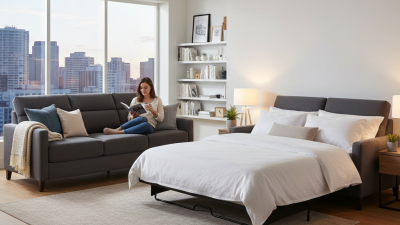
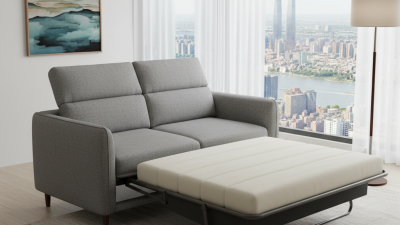
Key Features to Compare Before Choosing a Sofa Bed

When comparing sofa beds for small spaces, start with the open footprint, not the folded shape. Grand View Research’s 2024 sofa market analysis identifies multifunctional furniture as a major demand driver in compact homes. Measure the floor twice. Leave at least 60 centimetres for walking paths, and check door swings, radiators, and table edges. A sofa that fits the room may still block daily movement.

The sleeping mechanism deserves close attention. A 2024 report from the International Sleep Products Association notes that support, pressure distribution, and durability strongly influence sleep quality. Choose a mattress with even support, low movement transfer, and enough thickness for regular use. Test the opening motion in a showroom. It should not require force or awkward lifting. The frame should feel stable, with no sharp edges or loud grinding sounds. Small details matter.

Check the seat depth, cushion recovery, fabric cleaning code, and weight capacity. BIFMA seating standards provide useful durability benchmarks, although not every sofa bed is tested to the same level. Ask for the exact test information. Do not rely only on attractive photographs. A 2023 Consumer Reports review of convertible furniture highlighted comfort differences between sitting and sleeping modes. That trade-off is easy to miss. I prefer removable covers and replaceable components, but these features can increase cost. A narrow arm may save several centimetres, yet reduce lounging comfort. Measure your own body and routine before choosing.

The 10 Best Sofa Beds for Compact Rooms

The 10 Best Sofa Beds for Compact Rooms

A sofa bed can turn a narrow living room into a guest space without adding another large piece of furniture. The best choices balance sleeping comfort, seat depth, frame strength, and daily usability. I measure the available floor area before judging any design. Measure twice.

For compact rooms, a streamlined click-clack sofa often works well because it opens without a bulky pull-out mechanism. Armless models create a lighter visual effect and may suit studio apartments. A storage chaise can hold blankets, sheets, or spare pillows. Look for a sleeping surface that stays reasonably flat, with firm support across the center. Thin mattresses may feel convenient, but they can become uncomfortable during longer stays.

Check the opening distance carefully. A sofa may fit the wall, yet block a doorway when fully extended. Leave breathing room. Durable upholstery, reinforced hinges, and removable covers can improve long-term value. However, no sofa bed is perfect. A compact frame may sacrifice lounging depth, while a thicker mattress can reduce seating space. I once underestimated the clearance beside a coffee table, and the room felt cramped after conversion. That mistake changed how I compare dimensions. A reliable choice should include clear measurements, weight limits, cleaning instructions, and a return policy. Test the mechanism several times before deciding. It should open smoothly, without sharp edges, sudden drops, or excessive noise.

10 Best Sofa Beds for Small Spaces

Typical external width of compact sofa-bed formats, measured in inches

Compact sofa beds are generally between 52 and 78 inches wide. Chair sleepers and armless designs use the least wall space, while full-size sleeper sofas provide a larger sleeping surface but require more room. Always verify the product’s open-bed depth and clearance before purchasing.

How to Match Sofa Bed Designs With Different Living Spaces

10 Best Sofa Beds for Small Spaces

How to Match Sofa Bed Designs With Different Living Spaces

A sofa bed should follow the room’s movement, not merely fill an empty wall. The U.S. Census Bureau’s 2023 American Housing Survey shows that roughly one-third of occupied homes are multifamily units. Many therefore need furniture that performs two jobs. In a narrow studio, choose a compact loveseat sleeper with straight arms and a front-opening mechanism. Keep at least 30 inches of walking space around its main route. A 72-inch sofa can still feel oversized beside a kitchenette.

For a small living room, a clean-lined three-seat design may work better than a deep sectional. Measure the closed sofa, opened bed, doorway, and storage path. The National Association of Home Builders reported a median new-home size of 2,411 square feet in 2023, yet average size does not describe every usable room. A large home can still have a cramped guest area. Select raised legs for visual lightness, washable upholstery for daily use, and a mattress at least 4 to 5 inches thick for occasional sleeping. I would not trust measurements taken from an online diagram alone.

Tips: Mark the sofa’s full footprint with masking tape. Open it fully before buying. Leave 24 inches beside the sleeper when possible. Test the bed mechanism twice; awkward movement becomes irritating quickly. If the room is under 10 feet wide, avoid bulky rolled arms. They consume space without adding useful seating.

Space-Saving Tips for Using a Sofa Bed Daily

A sofa bed can make a small room work harder without feeling crowded. When comparing the 10 best sofa beds for small spaces, measure the open sleeping area, not just the closed frame. Leave at least 60 centimeters around the bed for walking. Mark the floor with painter’s tape before buying. This simple test reveals blocked doors and awkward corners. Choose a design with a firm, supportive mattress and a frame that opens smoothly. Daily sleeping exposes weak hinges quickly.

Daily use needs a repeatable routine. Open the bed at the same time each evening. Keep bedding in a slim, breathable storage bag under a nearby bench. Avoid stuffing blankets inside the sofa, because trapped moisture can create stale odors. Air the mattress for ten minutes after waking. A washable protector helps manage sweat, dust, and accidental spills. Vacuum the folds weekly, especially around the mechanism. Keep the floor clear before opening it. One misplaced toy can damage the frame or cause a fall.

Lighting also matters in tight rooms. Place a narrow lamp beside the sofa bed, but keep cords away from moving parts. A folding wall shelf can replace a bulky bedside table. Use one small basket for glasses, books, and charging cables. I once ignored this detail and spent several minutes searching for a phone each morning. The arrangement looked tidy, but it was not practical. Recheck the layout after a week, because real habits often expose problems that measurements miss.