Why Choose a Leather Sofa for Your Living Room Style?
A Leather Sofa can be a centerpiece in any living room. Its timeless elegance is both stylish and functional. When considering furniture options, the choice of a Leather Sofa stands out for several reasons.
Leather offers durability and easy maintenance. It resists stains and age beautifully. A high-quality Leather Sofa provides comfort and support. The natural fibers give it a unique texture that evolves over time. It reflects a sense of luxury that can elevate your living space. However, not all leather options are equal. The market is filled with varied grades and finishes.
Choosing the right Leather Sofa involves careful consideration. You might face dilemmas about colors and styles that fit your vision. Each piece tells a story, but not every choice is perfect. Reflecting on your specific needs will guide the best decision for your home. Embracing the beauty of leather can transform your living room into a sophisticated retreat.
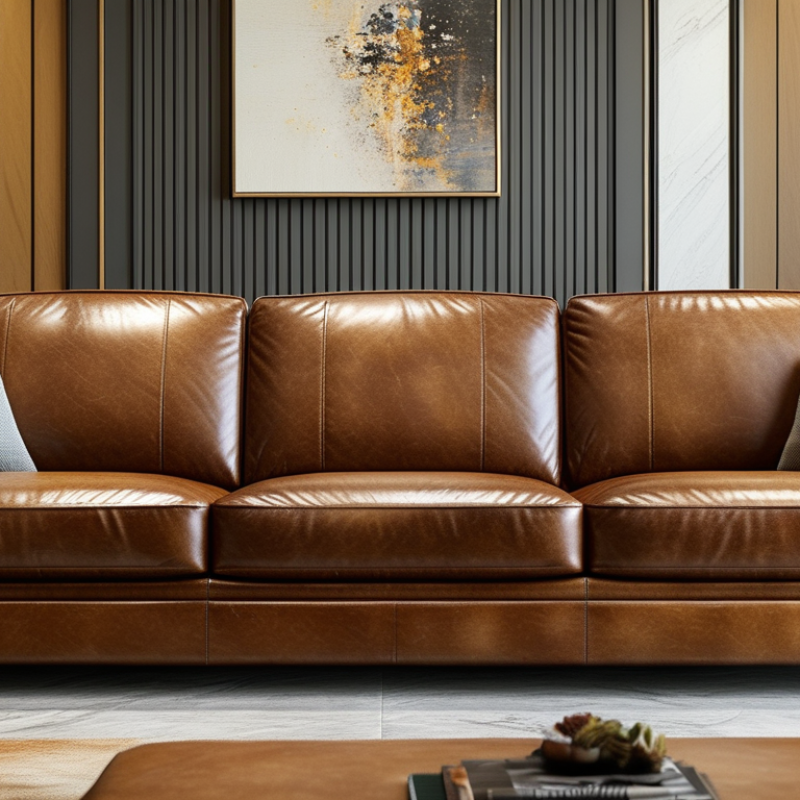
Benefits of Leather Sofas: Durability and Longevity Statistics
When considering a leather sofa, durability takes center stage. Leather is known for its tough exterior, making it resistant to wear and tear. Unlike fabric, leather can withstand spills and stains, often wiping clean with a cloth. This quality elevates its appeal for busy households, providing peace of mind for parents and pet owners alike. In statistics, leather sofas can last up to 15-20 years with proper care, far outpacing many alternatives.
Longevity comes with a few responsibilities. Regular conditioning is essential to maintain the leather's texture and sheen. Without this care, leather can become dry and crack. It’s also important to place leather sofas away from direct sunlight to prevent fading. However, even with these precautions, the longevity statistics remain impressive.
Some may perceive leather as cold or stiff initially, but it warms up over time. The unique patina that develops adds character, making each sofa one-of-a-kind. While the initial price may be higher than other materials, the investment pays off over the years. Buyers should consider their lifestyle and maintenance preferences before making a final choice.
Aesthetic Appeal: How Leather Enhances Living Room Style and Class
Leather sofas have a unique aesthetic appeal that can elevate any living room. The rich texture and natural sheen of leather create an inviting atmosphere. Unlike other materials, leather develops character over time, showing signs of wear that tell a story. This aged look can enhance the warmth of your space, adding depth and sophistication.
Color choices further amplify the style of a leather sofa. Classic black or brown options exude elegance, while bold hues like red or blue can make a striking statement. The versatility of leather allows it to complement various decor styles, from modern minimalist to rustic charm. It adapts and blends, making it an excellent choice regardless of your existing furnishings.
However, choosing leather comes with considerations. It can be sensitive to spills and scratches. Maintaining it requires regular care, which some may find challenging. Not everyone prefers the feel of leather, as it can be cold or sticky depending on the climate. Reflecting on these factors is important before making a decision. A leather sofa can be a long-term investment for your living room, enhancing both style and class when cared for properly.
Maintenance Insights: Cleaning and Caring for Leather Furniture
Leather furniture can elevate your living room's aesthetic. However, maintaining its beauty requires effort and knowledge. According to industry studies, leather's lifespan can exceed 20 years with proper care. Cleaning and conditioning are crucial to avoid wear. Regular dusting with a soft cloth removes dirt. Invest in a pH-balanced leather cleaner for deeper stains.
Conditioning every six months is essential. This action prevents cracking and keeps the leather supple. It is interesting to note that over 70% of leather upholstery shows deterioration due to neglect.
In addition, avoiding excessive sunlight prolongs your leather sofa's life. Direct sunlight can lead to fading and drying. Think critically about the environment your sofa is placed in.
Accidental spills can happen. Blotting spills immediately with a clean, dry cloth is recommended. Avoid rubbing, as it may damage the surface. It is valuable to note the importance of professional cleaning every few years. This ensures thorough dirt removal that regular methods may miss. Understanding these details allows for better care, enhancing your leather sofa's lifespan and appearance.
Cost vs. Value: Understanding the Investment in Leather Sofas
Investing in a leather sofa can seem daunting. The initial cost often raises eyebrows. However, understanding the long-term value is crucial. Leather, known for its durability, often possesses a lifespan of 15 to 20 years. In many cases, a fabric sofa may need replacement after just five years. This stark contrast highlights why leather is often considered a wise investment.
Moreover, leather sofas offer timeless appeal. They age gracefully, developing character over time. A well-aged leather can transform a living room, adding warmth and sophistication. Yet, maintaining leather requires commitment. Regular conditioning and careful cleaning are essential to preserve its quality. Many people overlook this aspect, leading to premature wear.
Comfort is another factor to consider. Leather can feel cold initially but warms up quickly with use. This adaptability can improve your relaxation experience. However, personal preferences vary. Some might find leather less cozy than fabric. It's vital to weigh these personal touches against the backdrop of your living room's style and how you plan to use the space.
Health Benefits: Allergies and Cleanliness of Leather Upholstery
Choosing a leather sofa for your living room comes with distinct health benefits, especially regarding allergies and cleanliness. Leather upholstery creates a barrier against allergens. Dust mites, pet dander, and mold are often trapped in fabric. With leather, it's easier to wipe away these irritants. This is particularly beneficial for people who suffer from respiratory issues or allergies.
The maintenance of a leather sofa also plays a crucial role in promoting a healthy living environment. Regular cleaning is simpler compared to fabric options. A damp cloth can remove dust and spills quickly. However, neglect might lead to cracks or stains, which can encourage bacteria. While leather is more resistant to spills, it still requires care. Many wonder if leather is too slippery or cold. These are valid concerns worth considering when choosing your sofa.
While leather offers significant advantages, it's essential to remain aware of the potential downsides. Some might find leather uncomfortable in hot weather. Also, sustainability issues surrounding leather production are increasingly raised. Balancing aesthetics, comfort, and ethical considerations is key when deciding on a leather sofa for your living room.