How to Choose the Best Sleeper Couch for Any Space?
Choosing the best Sleeper Couch is less about chasing a fashionable silhouette. It is about balancing comfort, measurements, durability, and everyday behavior.
The global furniture market reached approximately $516.66 billion in 2022, according to Grand View Research. Its report also identifies multifunctional furniture as an important response to smaller homes and changing lifestyles. Future Market Insights similarly links sleeper sofa demand with urban living, flexible rooms, and space-saving design. These trends sound convincing, but numbers cannot tell you whether a 68-inch couch will block your balcony door.
Interior designer Jonathan Adler offers a useful principle: “Your home should rise up to greet you.” A sleeper couch should support that feeling, not dominate the room. Measure the closed sofa, opened bed, hallway, stairwell, and clearance around nearby furniture. A beautiful couch that cannot enter your apartment is an expensive mistake.
Pay attention to the mattress thickness, seat depth, frame construction, fabric resistance, and opening mechanism. Test both functions. Sit for ten minutes, then lie down fully. A showroom nap is not enough. That deserves more honesty.
The best choice may change with your space. A memory-foam model could suit occasional guests, while a sturdier innerspring design may serve nightly use. Check the manufacturer’s weight guidance and warranty terms. Consumer Reports recommends evaluating furniture for construction quality, comfort, and intended use rather than appearance alone. Still, even expert advice has limits. Your back, doorway, pets, and habits must make the final decision.
Define Your Space, Measurements, and Sleeper Couch Requirements
How to Choose the Best Sleeper Couch for Any Space?
Define the room before comparing sleeper couches.
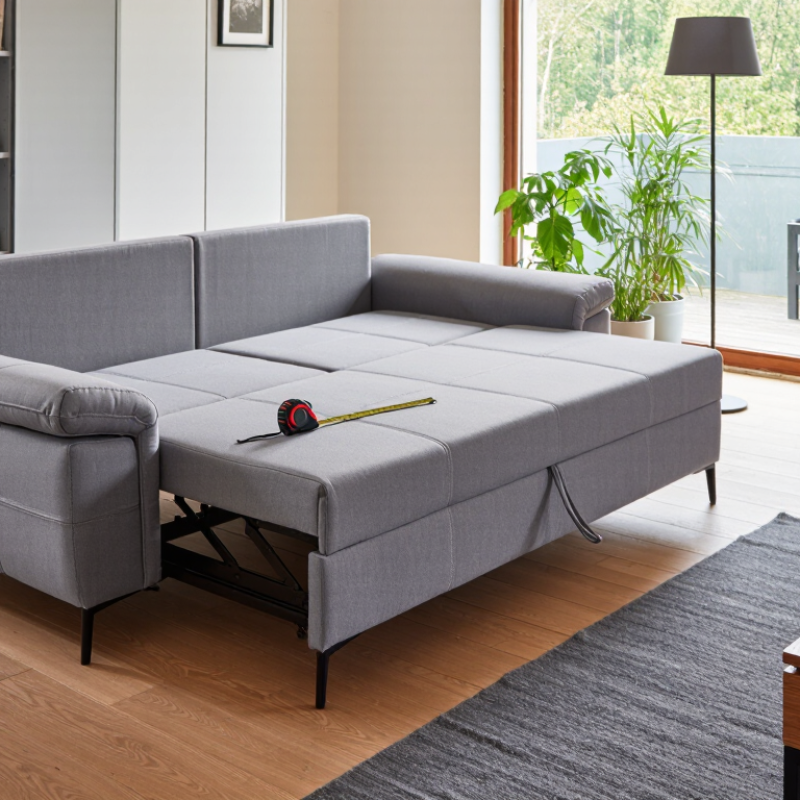
Measure the wall, doorway, hallway, and nearby furniture. A couch may fit the wall but fail at delivery. Leave at least 30 inches for comfortable walking routes. Mark the couch footprint with painter’s tape. Then open the sleeper position and mark that area too. This simple test reveals blocked doors, tight corners, and awkward traffic patterns.
Measure length, depth, and height carefully.
Check the frame clearance beneath windowsills, shelves, and wall lighting. Record elevator dimensions if delivery involves a shared building. The open bed needs extra space beyond its listed dimensions. Do not trust visual estimates. I once underestimated a narrow hallway by a few inches, and the chosen frame could not turn inside. That mistake was avoidable.
Define who will use the sleeper couch and how often.
Occasional guests may need a compact design with a thinner mattress. Frequent sleepers usually benefit from stronger support and a thicker, more resilient mattress. Test the sleeping surface in person, if possible. Sit, lie down, and check the edge support. Consider lifting effort, opening mechanisms, washable covers, and fabric durability. Pets and children may require stain-resistant materials. Your ideal couch might look elegant, yet feel uncomfortable after one night. That trade-off deserves honest attention.
Compare Sleeper Couch Types, Mattress Designs, and Sleeping Comfort
Choosing a sleeper couch starts with its conversion style.
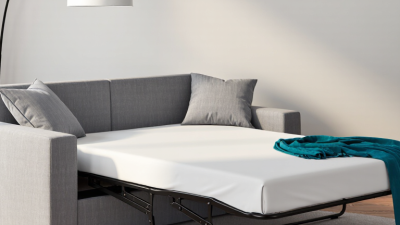
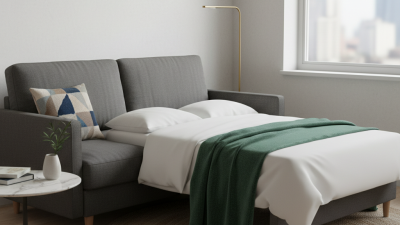
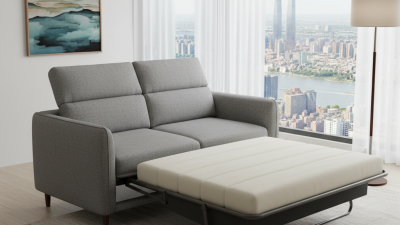
A pull-out model hides a folded mattress beneath the seat, creating a familiar bed shape.
A click-clack design folds the backrest flat and usually feels firmer.
Futon-style couches are often lighter and easier to move, but their cushions may separate during sleep.
A daybed works well in small rooms, although it offers less privacy for overnight guests.
Mattress construction affects comfort more than appearance.
Innerspring mattresses provide airflow and a responsive feel, but coils can press through thin padding.
Memory foam reduces pressure around the hips and shoulders. It may also retain heat, especially in warm bedrooms.
Hybrid designs combine coils and foam, offering balanced support, though they can make the couch heavier.
Check the mattress thickness, foam density, and sleeping surface before deciding.
Lie on the couch for at least ten minutes.
Try your usual sleeping position.
I once chose a soft sleeper couch that looked luxurious, but my back felt tired after one night.
That mistake taught me to inspect the support bars and the gap between mattress sections.
A flat, stable base matters. So does easy conversion.
Measure the open bed, not only the closed couch.
Leave walking space around it.
Test the mechanism several times, because a smooth showroom demonstration can hide awkward movement at home.
Comfort is personal, and no mattress design suits everyone.
A firm surface may help one guest sleep well and disappoint another.
Bring a small pillow if possible.
Your neck may reveal what the cushions conceal.
Evaluate Materials, Frame Quality, Durability, and Maintenance Needs
Choosing the best sleeper couch begins with materials you can live with every day. A tight-weave upholstery resists snagging and hides minor marks. Leather-like surfaces wipe easily, but they may feel cold in winter. Examine the frame closely. Kiln-dried hardwood, reinforced steel, and corner-blocked joints usually support heavier, repeated use. Avoid frames that flex, creak, or rely mainly on visible staples. A solid frame should feel steady when you sit near the edge.
Test the sleeping mechanism in person, if possible. Open and close it slowly. The movement should feel controlled, not jerky. Check whether the mattress folds sharply or leaves a noticeable ridge. Foam offers quiet comfort, while innerspring designs may provide firmer support. However, comfort depends on thickness and construction, not the label alone. I once trusted a smooth mechanism that later became noisy, so testing it twice would have been wiser. Check the weight limit and warranty terms before purchase.
Tips: Measure doorways and walking space. Choose removable, washable covers when children or pets are present. Vacuum fabric seams monthly. Blot spills quickly; do not rub them deeper. Lubricate moving parts only when the care guide permits it. Leave room behind the couch for ventilation and easier maintenance. A washable mattress protector can reduce odors, although it may slightly change the sleeping feel.
How to Choose the Best Sleeper Couch for Any Space
Scores use a five-point evaluation scale based on commonly accepted furniture-construction characteristics. Kiln-dried hardwood and all-metal mechanisms generally offer strong structural stability and durability, while engineered wood and removable, washable upholstery can reduce cost and simplify maintenance. Actual performance depends on joinery, hardware, upholstery fabric, mattress quality, usage frequency, and care.
Match the Couch Style, Function, and Size to Your Room
How to Choose the Best Sleeper Couch for Any Space?
A sleeper couch should match your room before it matches your taste. Measure the wall, doorway, and walking paths carefully. Leave at least 30 inches for comfortable movement around the couch. Measure twice. I once underestimated a narrow hallway and struggled to move a full-size frame inside. That mistake is common. A compact loveseat sleeper may suit a studio, while a larger room can handle a queen-size design without feeling crowded.
Style also affects daily function. Choose clean, raised legs when you want a room to appear more open. A low, deep couch creates a relaxed look but may overwhelm small spaces. Check the fabric under natural light. Dark upholstery can show dust, while textured fabric may hide minor marks. Removable covers help with routine care, especially in homes with children or pets. Comfort matters.
Test the sleeping surface before buying whenever possible. Sit on the couch, open the bed, and check whether the frame feels stable. A supportive mattress should not leave you feeling the metal mechanism beneath it. Look for smooth opening action and enough clearance behind the couch. Convertible designs often sacrifice seating depth or bed comfort. That trade-off deserves honest attention. Your room may need flexibility more than luxury, but guests still notice a poor night’s sleep.
Set a Budget and Check Delivery, Assembly, and Warranty Details
A sleeper couch must fit both your room and your realistic budget. Set a firm spending limit before comparing fabrics, cushions, and mattress types. Include delivery fees, assembly charges, taxes, and possible removal costs. The lowest price can become expensive quickly. I once ignored a small stairwell fee and paid more than expected. Measure the doorway, hallway, elevator, and final placement area. Leave space for the bed to open fully.
Delivery details deserve careful attention.
Ask whether workers carry the couch inside or leave it at the entrance. Confirm the delivery window and check for extra charges on stairs or tight access. Photograph the packaging before opening it. Inspect the frame, upholstery, legs, and mattress immediately. Report damage within the stated time. This step feels tedious. It can protect your claim.
Assembly requirements vary widely. Check whether tools, two adults, or wall clearance are needed. A complicated mechanism may not suit a small apartment or frequent use. Read the warranty before paying. Confirm its length and coverage for the frame, mechanism, mattress, fabric, and labor. Some warranties exclude stains, normal wear, or incorrect assembly. Keep the receipt, instructions, and service contacts together. My mistake was assuming every part had equal protection. It did not.