How to Choose the Perfect Sofa Set for Your Home?
Choosing the perfect sofa set for your home can be a daunting task. With numerous styles, colors, and materials, it’s crucial to make an informed decision. According to a recent report by the Furniture Today Industry, 72% of consumers consider comfort as the top priority when selecting a sofa set.
Expert interior designer, Laura Mason, emphasizes the need for balance in selecting furniture. She states, “A well-chosen sofa set not only reflects your style but also enhances the functionality of your space.” This insight highlights that a thoughtful choice can elevate your living environment.
However, many people often overlook dimensions and layout. A beautiful sofa set could end up feeling cramped in a small room. Consideration of space and practical usage will ensure longevity and satisfaction with your choice. Involving family needs and aesthetic preferences is vital for a successful selection process. Thus, understanding the purpose of your sofa set may lead to a more fulfilling purchase.
Understanding Your Space: Measuring and Assessing Your Room
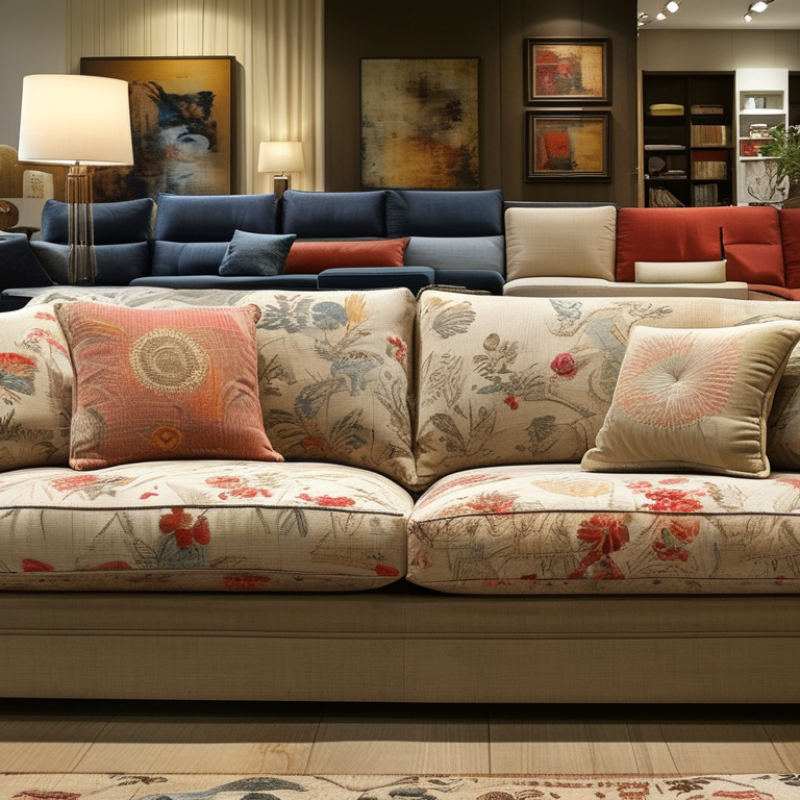
When choosing a sofa set for your home, understanding your space is essential. Start by measuring your room. Use a tape measure to get the width and length. Don’t forget to consider doorways and hallways for ease of moving furniture in. Think about the layout. Will the sofa be facing the TV? Is there enough walking space around it?
Tips: Draw a floor plan on paper. Mark measurements clearly. This can help visualize your options better. Try to keep at least 18 inches of space between the sofa and other furniture, like coffee tables.
Assess the room’s style. A cozy space may need a softer, more casual look. If your room feels big and formal, a structured sofa can balance it. Observe the color and fabric choices too. Light colors might make a small room feel airier, while darker hues add depth.
Tips: Test the sofa's comfort level in-store. Sit on it for a few minutes. Trust your instincts. Sometimes a piece may not look great in a photo, but it feels right in real life. Always be open to adapting your design choices. It’s perfectly okay not to get everything right on the first try.
Identifying Your Style: Traditional, Modern, or Eclectic Choices
Choosing a sofa set involves understanding your style. Traditional, modern, and eclectic options each bring unique vibes. Traditional sofas exude classic elegance. They often feature rich fabrics and ornate details. Think of deep, warm colors and comfortable silhouettes. This style suits homes filled with antiques or traditional décor.
Modern choices lean towards minimalist designs. Clean lines and neutral palettes dominate this style. These sofas fit well in open spaces, creating a sense of airiness. Accessories like geometric cushions or abstract art can amplify this look. It's important to note that modern can sometimes feel stark. Balancing with cozy textures is essential for warmth.
Eclectic styles allow for creativity. Combine different fabrics, colors, and shapes for a personal touch. You might use a vintage sofa with bold contemporary accents. This approach reflects individuality but can be challenging. The key is to maintain harmony despite the mix. Pay attention to proportions and how each piece complements the others. Choosing a sofa is a process of discovery. It's about finding what truly resonates with you and your home.
Choosing the Right Material: Fabric, Leather, or Synthetic Options
When choosing a sofa set, material is key. Fabric, leather, and synthetic options each come with unique characteristics. Fabric sofas often offer a wide range of colors and textures. They can be soft and comfortable but may stain easily. Choosing the right fabric means considering the lifestyle of your household. Families with kids might lean toward stain-resistant options.
Leather, on the other hand, exudes luxury and sophistication. It ages well, developing a rich patina over time. However, leather can be quite expensive and requires special care. You must also consider the climate—leather can be uncomfortable in extreme temperatures. For pet owners, leather might not be the ideal choice, as claws can easily damage it.
Synthetic materials blend durability and low maintenance. They can mimic the look of leather or fabric without the high cost. Some options are resistant to fading and stains, which is essential for busy homes. However, synthetic materials may lack the breathability that natural fibers offer. Balancing aesthetics and functionality will help in making the right choice.
How to Choose the Perfect Sofa Set for Your Home?
| Material |
Pros |
Cons |
Best For |
| Fabric |
Soft, comfortable, available in various colors and patterns |
Stains easily, can wear down over time |
Families, casual living spaces |
| Leather |
Durable, easy to clean, luxurious look |
Can be expensive, may crack over time |
Formal living areas, pet owners (with care) |
| Synthetic |
Affordable, resistant to stains and fading |
Less breathable than natural materials |
Budget-conscious shoppers, rentals |
Determining Comfort: Testing Cushions and Support Levels
Choosing a sofa set for your home involves a deep understanding of comfort. Comfort can mean different things to different people. It's crucial to test cushions and support levels before making a decision. A recent study by the American Home Furnishings Alliance shows that 70% of consumers prioritize comfort above aesthetics when shopping for sofas.
To truly assess comfort, sit or lie down on the sofa for a few minutes. Notice the cushion's firmness and the support it offers. Research indicates that optimal cushion density ranges from 1.8 to 2.5 pounds per cubic foot for long-lasting comfort. Sofas with lower density may feel softer at first but will likely sag quickly.
Support levels are equally important. A well-designed sofa should support the spine's natural curvature. Testing back support is essential; it should conform to your back's shape while allowing you to sit comfortably. Pay attention to how your body feels after sitting. If you find yourself shifting or uncomfortable, the sofa may not be the right fit. Finding the perfect balance of comfort and support requires careful deliberation. Don't rush; your choice can affect your relaxation for years to come.
Budgeting Wisely: Balancing Quality and Affordability in Sofa Sets
When selecting a sofa set, budgeting is crucial. A study by the American Home Furnishings Alliance reveals that more than 60% of consumers prioritize cost when buying furniture. Balancing quality with affordability can be challenging. It often leads buyers to compromise on materials or craftsmanship. However, finding high-quality options within a reasonable price range is possible.
Look for sofas made from durable materials. Solid wood frames and high-density foam cushions can ensure longevity. According to industry reports, well-made sofas can last up to 15 years. Many affordable brands offer similar qualities without the hefty price tag. Remember, a slightly higher initial investment can save you money in the long run. You might encounter lower-priced options that look appealing but lack the necessary sturdiness.
Don’t forget to consider what you are sacrificing for a lower price. Cheaper sofas may need more frequent replacements. This can lead to increased long-term expenses. Researching product specifications and customer reviews can help you make better-informed choices. A budget-friendly sofa that doesn't meet your needs can become a costly mistake. Prioritize informed selections that reflect your style and budget while ensuring quality remains a focus.