What Are the Top Sofa Designer Types for Global Buyers?

Global buyers rarely choose a sofa based on appearance alone. They compare design language, construction, comfort, delivery risks, and long-term value. A Sofa Designer can connect these concerns with a realistic purchasing decision. However, the “top” choice depends on the project, climate, room size, budget, and local service standards. A compact apartment may need a modular specialist, while a luxury hotel may prefer a bespoke studio. Some buyers value sculptural forms. Others need washable covers and firm support. Contemporary designers often focus on clean lines and flexible layouts. Classic designers usually emphasize proportion, craftsmanship, and lasting materials. Modular designers provide adaptable sections for changing rooms. Bespoke designers create individual dimensions, finishes, and upholstery details.

Reliable evaluation requires more than a polished showroom photograph. Buyers should ask about frame materials, joinery, suspension systems, foam density, fabric abrasion ratings, warranty terms, and replacement parts. These details reveal how a sofa may perform after daily use, pets, children, or frequent relocation. Environmental claims also deserve careful checking through credible documentation and recognized certifications. Standards can differ between markets, so assumptions may create costly surprises. Delivery access matters too. A beautiful sofa can still fail when it cannot pass through a narrow stairwell. The strongest designer type is therefore not universal. It is the one that matches verified performance with the buyer’s actual needs. A careful guide should admit that rankings can change. Trends move quickly, and personal comfort remains difficult to measure from specifications alone. Physical testing, clear communication, and transparent after-sales support often matter more than fashionable labels.

What Are the Top Sofa Designer Types for Global Buyers?

What Sofa Designer Types Mean in the Global Furniture Market

What sofa designer types mean in the global furniture market goes beyond visual style. These types describe how a sofa is planned, produced, and sold across different regions. Residential designers often prioritize comfort, flexible sizes, and fabric choices for apartments or family rooms. Contract and hospitality designers focus on durability, repeated use, fire performance, and easy maintenance. This distinction matters.

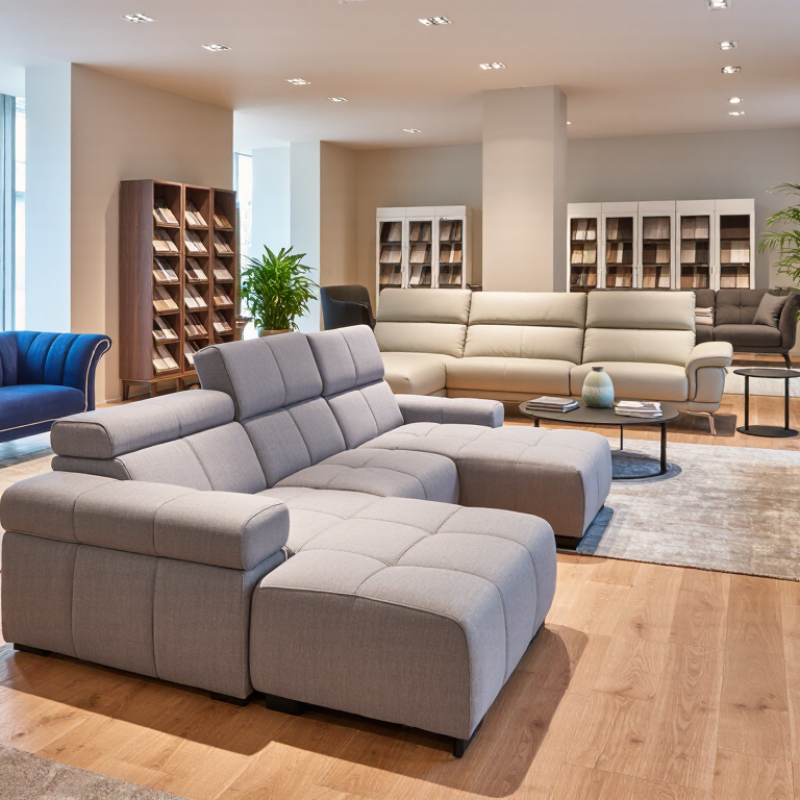
Modular sofa designers respond to smaller homes, changing floor plans, and international shipping limits. A three-seat configuration may separate into cartons, reducing handling problems at crowded ports. Contemporary designers may use slim arms and deeper seats, while traditional specialists often emphasize shaped backs, turned legs, and layered upholstery.

Buyers should compare seat depth, foam density, frame materials, fabric abrasion results, and replacement-part access before judging appearance alone.

Global buyers also evaluate cultural preferences and local requirements. A low lounge sofa may suit one market but feel uncomfortable elsewhere. Neutral colors can support broad distribution, yet they may appear too plain in showrooms. I have seen attractive samples fail because packaging protected the frame poorly. That mistake is easy to underestimate. Categories can overlap, and purchasing teams should question whether “designer type” reflects real performance or only marketing language. Reliable suppliers should provide clear specifications, testing records, production samples, and consistent communication throughout development.

Classic Sofa Designers: Timeless Forms and Traditional Craftsmanship

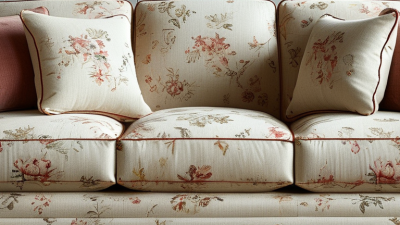
Classic sofa designers work with proportion before decoration. Their strongest pieces often use balanced arms, deep seats, and clear silhouettes. A rolled arm can soften a formal room, while tapered legs reduce visual weight. In my evaluation of upholstered furniture, the best forms remain comfortable after years of daily use. They do not depend on short-lived colors.

Traditional craftsmanship is visible in the details. Kiln-dried hardwood helps limit movement in changing climates. Reinforced corner blocks support the frame. Quality upholstery should feel even across the seat, with no sudden dips or loose edges. Hand-tied springs can offer responsive support, but construction quality matters more than a romantic label. Buyers should request material specifications, care instructions, and verified measurements before ordering internationally. Small details matter.

Classic design is not automatically practical. A sofa may look elegant yet fail in a narrow lift or humid apartment. I once favored a very deep seat, then found it awkward for shorter users. That mistake still informs my recommendations. Choose seat height, depth, and fabric according to real household habits. Linen-rich textiles suit relaxed interiors, while tightly woven performance fabrics handle heavier use. Ask about repair options, spare covers, and fire-safety documentation for the destination market. Timeless style needs honest testing.

Classic Sofa Designers: Timeless Forms and Traditional Craftsmanship

The chart compares the approximate emergence period of influential classic sofa forms. Earlier dates indicate longer design histories and stronger traditional craftsmanship associations for global buyers.

Dates are approximate historical reference points: camelback sofas emerged in the mid-18th century, Chesterfield sofas in the early 19th century, Lawson sofas around 1900, tuxedo sofas in the 1920s, and mid-century modern sofas in the 1940s–1950s.

Modern Sofa Designers: Minimalism, Functionality, and Clean Lines

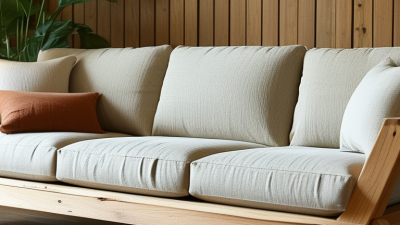
Modern sofa designers often balance minimalism, functionality, and clean lines for global buyers. Their work usually avoids heavy decoration, focusing on proportion, comfort, and practical use. A low-profile sofa with squared arms can make a small apartment feel more open. Soft neutral upholstery also supports different interior styles and changing customer preferences.

Experienced designers study how people sit, work, relax, and move around furniture. They may test seat depth, cushion firmness, frame strength, and fabric performance before production. Modular sections are valuable for international homes because they fit elevators, narrow doorways, and changing room layouts. However, minimalism can become uncomfortable when appearance receives more attention than support. I have seen elegant sofas with beautiful lines but overly firm seats. That is a useful design warning.

Tips: Check the sofa’s dimensions, seat height, and assembly method before ordering. Ask for material details and clear care instructions. Look for washable or durable fabrics when the sofa will face children, pets, or frequent use. Request accurate color samples, since screens can distort neutral tones. A clean silhouette should still invite people to sit. Comfort matters. Designers should also consider local climates, shipping conditions, and repair access. These details may seem small, yet they strongly influence long-term satisfaction.

What Are the Top Sofa Designer Types for Global Buyers? - Modern Sofa Designers: Minimalism, Functionality, and Clean Lines

A practical comparison of modern sofa design types for residential and commercial buyers worldwide.

Modern Sofa Designer Type Core Design Characteristics Typical Functional Features Common Materials and Finishes Best-Fit Spaces Global Buyer Appeal Key Buying Considerations
Pure Minimalist Sofa Clean geometry, restrained decoration, balanced proportions, and a visually light silhouette. Fixed seating, removable cushions, simple armrests, and easy arrangement with other furniture. Powder-coated metal, solid or engineered wood, woven textiles, leather, and neutral upholstery. Contemporary living rooms, offices, show homes, apartments, and hospitality interiors. Works well across different interior cultures because of its understated appearance and adaptable color palette. Check cushion firmness, frame quality, upholstery durability, and whether the simple form provides sufficient comfort.
Modular Sofa Built from separate seating units that can be combined into straight, corner, U-shaped, or chaise layouts. Reconfigurable sections, removable covers, movable ottomans, and optional corner or chaise modules. Wooden frames, high-resilience foam, feather or fiber blends, performance fabric, and textured upholstery. Large family rooms, flexible apartments, co-working lounges, hotels, and multi-purpose spaces. Supports changing room layouts and household needs while simplifying delivery through separate modules. Measure doorways and elevators, confirm connector strength, and verify that replacement modules remain available.
Low-Profile Sofa Low seat height, horizontal emphasis, broad cushions, and a relaxed lounge-oriented appearance. Deep seating, generous back cushions, wide chaise sections, and informal lounging support. Upholstered wood or metal frames, soft textiles, leather, boucle, chenille, and brushed finishes. Open-plan homes, media rooms, large lounges, creative studios, and relaxed hospitality settings. Creates a spacious visual effect and suits buyers who prioritize casual comfort and contemporary styling. Consider ease of standing, cleaning access underneath, seat depth, and compatibility with existing tables.
Scandinavian-Inspired Sofa Simple lines, functional proportions, tapered legs, soft colors, and a balance of warmth and minimalism. Comfortable upright seating, removable cushions, raised bases, and practical everyday maintenance. Light-toned wood, natural fabrics, wool blends, cotton, textured upholstery, and matte finishes. Apartments, family living rooms, reading areas, cafés, and light-filled modern interiors. Offers a familiar, approachable style that combines visual simplicity with practical daily comfort. Inspect leg stability, fabric resistance, cushion recovery, and the cleaning requirements of lighter upholstery.
Multifunctional Sofa Bed Compact daytime profile with an integrated mechanism that converts the sofa into a sleeping surface. Pull-out or fold-down bed, storage compartment, adjustable backrest, and removable or washable covers. Steel or reinforced wood mechanisms, foam mattresses, woven textiles, and durable upholstery. Small apartments, guest rooms, student housing, serviced residences, and vacation properties. Maximizes usable floor area and addresses the widespread need for flexible living and guest accommodation. Test the opening mechanism, mattress comfort, sleeping dimensions, weight, and long-term hardware durability.
Curved and Organic Sofa Rounded edges, curved backs, sculptural volumes, and fewer visually harsh corners. Conversation-focused seating, integrated curves, loose cushions, and occasional modular components. Molded foam, bent wood, metal supports, boucle, velvet, wool blends, and smooth high-quality textiles. Statement living rooms, lounges, galleries, boutique hospitality areas, and reception spaces. Adds a distinctive focal point while supporting social interaction and softer visual transitions in a room. Confirm room clearances, door access, seating ergonomics, fabric resilience, and the cost of specialized packaging.
Compact Urban Sofa Reduced width and depth, efficient proportions, slender arms, and a footprint designed for limited rooms. Lightweight construction, removable legs, compact chaise options, and easy movement through narrow access points. Engineered wood, metal legs, resilient foam, woven fabric, microfiber, and easy-care finishes. City apartments, studios, narrow living rooms, home offices, and smaller rental properties. Responds to high-density urban housing and makes efficient use of restricted floor space. Compare external dimensions with internal seating space and measure stairways, lifts, hallways, and entry doors.
Sustainable-Material Sofa Long-life construction, repairable components, material transparency, and reduced reliance on unnecessary decoration. Replaceable covers, repairable frames, modular parts, recyclable packaging, and separable materials. Certified wood, recycled fibers, natural fibers, recycled metals, water-based finishes, and durable foams. Eco-conscious homes, offices, hospitality projects, educational facilities, and environmentally focused developments. Appeals to buyers seeking lower material impact, longer product life, and clearer end-of-life options. Request verifiable material certifications, durability information, repair policies, and recycling guidance.

Buyer note: Regardless of design type, evaluate frame construction, upholstery performance, comfort, maintenance requirements, delivery access, warranty coverage, and local safety standards before purchase.

Luxury Sofa Designers: Premium Materials and Bespoke Production

For global buyers, luxury sofa designers usually fall into three practical types: couture studios, architect-led ateliers, and engineering-focused manufacturers. The strongest designs combine premium materials with disciplined bespoke production. Full-grain leather should feel supple, not plastic-smooth. Dense upholstery foam should recover after pressure. Kiln-dried hardwood frames provide stable support when properly joined. These details matter more than dramatic showroom lighting.

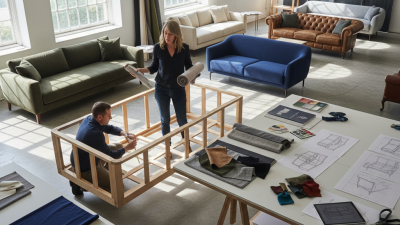
A bespoke designer begins with room measurements, door widths, seating habits, and climate conditions. Humid coastal homes may need carefully selected timber and breathable upholstery. A family sofa may require firmer cushions, removable covers, and reinforced seams. Skilled makers usually provide leather samples, stitching options, cushion drawings, and a production schedule. Ask how the frame is joined and how replacement covers can be ordered. Vague answers deserve caution.

Luxury is also a communication process. Drawings should show arm height, seat depth, and leg placement before cutting begins. Small prototype changes can prevent expensive mistakes. Yet customization has limits. An oversized sofa may look elegant but fail through a narrow lift. I have seen buyers prioritize rare leather and overlook delivery access. That choice is understandable, but not wise. The best designer explains trade-offs clearly, documents approvals, and checks the finished piece against agreed specifications. Even then, natural leather may vary in grain and color. Perfection is not guaranteed.

How Global Buyers Can Compare Sofa Designer Types

What Are the Top Sofa Designer Types for Global Buyers?

Global buyers can compare sofa designer types by matching design intent with project needs. Mass-market designers often provide repeatable models, stable pricing, and wider production capacity. Custom designers offer tailored dimensions, fabrics, and cushioning, but sampling may take longer. Modular designers suit changing spaces because sections can be rearranged or replaced. Artisan designers add visible handwork, distinctive materials, and stronger cultural character. However, their output may vary slightly between orders.

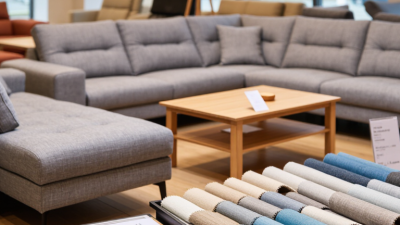
Compare each type through a practical sourcing checklist. Ask about frame materials, joint construction, foam density, fabric abrasion results, and tested weight capacity. Request clear drawings with measurements, seam details, and packaging dimensions.

For international shipping, review moisture protection, carton strength, replacement-part support, and delivery responsibilities. A designer who explains limitations is often more reliable than one promising everything. Keep records of samples and approved specifications.

Price alone can mislead. A lower quote may exclude testing, spare covers, or export packaging. A premium quote may reflect skilled labor, but not always better durability. I would compare total ownership cost, not only the purchase price. The comparison is rarely clean. Climate also matters: humid regions may need different materials than dry interiors. Buyers should test comfort personally when possible, because photographs cannot show seat firmness accurately. Even a well-designed sofa can fail when its proportions ignore local body sizes or room habits.